Anastylosis
Conservation & Restoration
Anastylosis
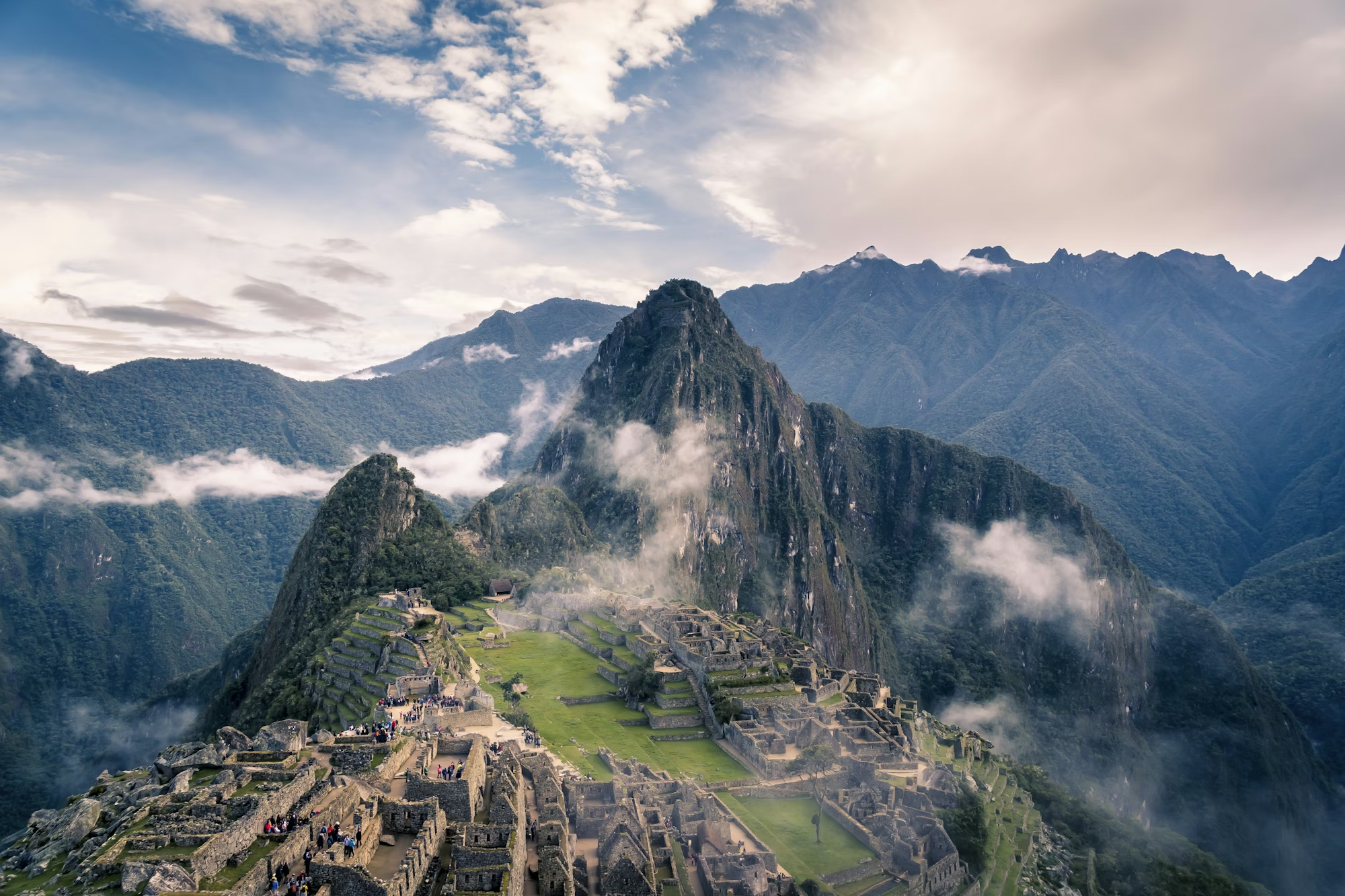
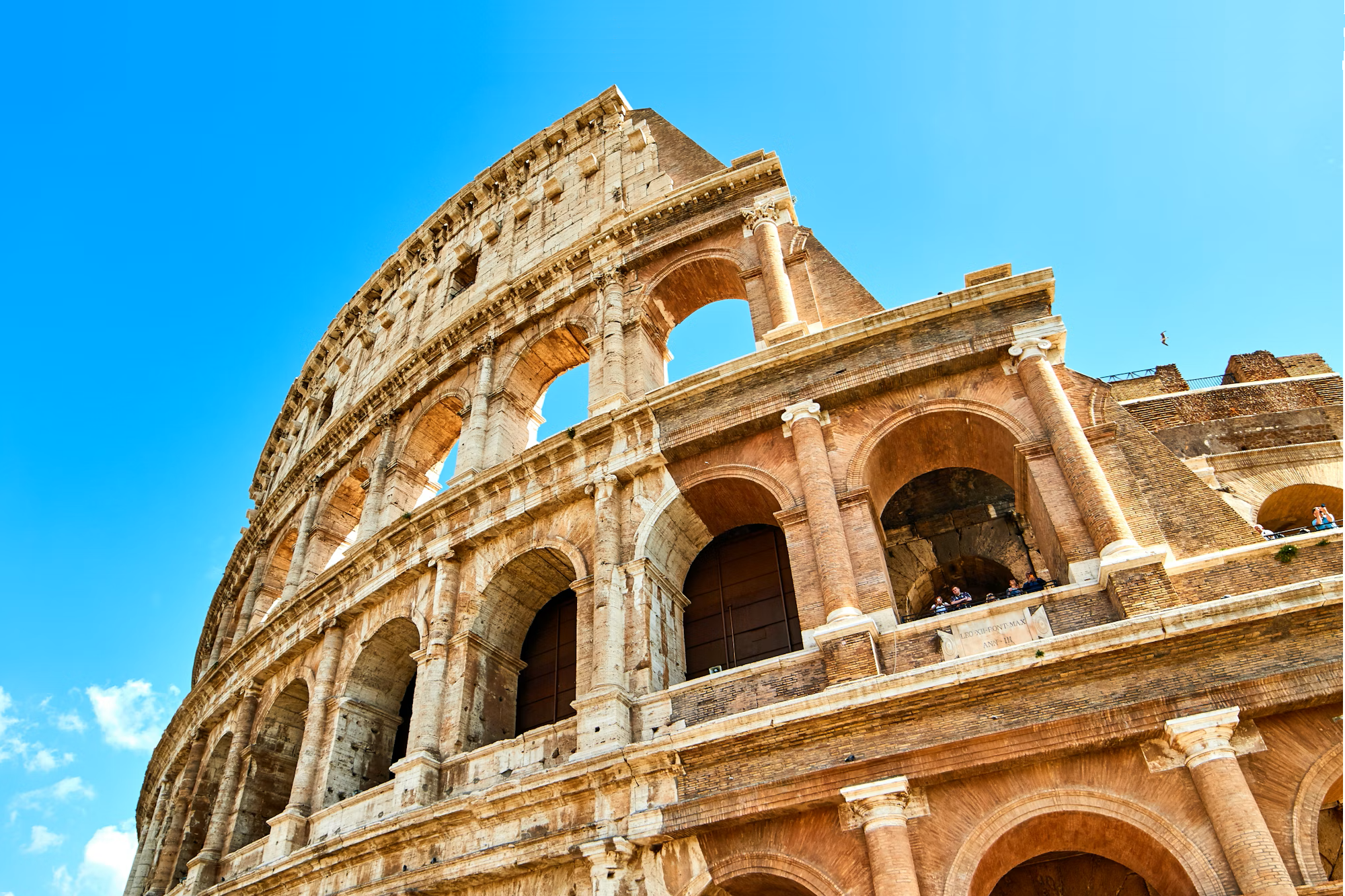
Conservation & RestorationA reconstruction technique in archaeology and conservation where a ruined monument or structure is carefully reassembled from its original fragments. New materials are added only where necessary to support the old pieces. Anastylosis aims to preserve as much of the original fabric as possible and is often used at sites like ancient temples or archways that have fallen apart over time.
Source: ICCROM, ICOMOS
Insurance
Legal & Organizations
Insurance
Legal & OrganizationsIn heritage terms, insurance refers to financial protection plans that cultural institutions or owners take out to cover loss or damage to valuable artifacts, artworks, or historic properties. For example, a museum might insure a painting against theft or a historic house against fire. In the event of an incident, the insurance payout can fund conservation or reconstruction. Specialized policies (sometimes backed by governments for very high-value national treasures) help manage the risk of exhibiting or loaning items.
Source: UNESCO, Hague Convention, UNIDROIT, ICOM
Photogrammetry
Conservation & Restoration
Photogrammetry
Conservation & RestorationA technique that uses photographs to measure and create accurate 2D or 3D representations of objects and sites. In heritage conservation, photogrammetry is used to document artifacts or architecture in detail by taking overlapping images and processing them with software to generate scaled models or maps. It’s a valuable tool for recording the condition of a site, monitoring changes, or assisting in virtual reconstruction.
Source: ICCROM, ICOMOS
Post-Disaster Needs Assessment (PDNA)
Disaster Management
Post-Disaster Needs Assessment (PDNA)
Disaster ManagementA detailed evaluation conducted after a disaster to determine the extent of damage and the needs for recovery and reconstruction, including in the culture sector. In heritage protection, a PDNA examines impacts on cultural sites, institutions, and practices, and helps plan the resources and actions required to restore and safeguard them.
Source: UNDRR, UNESCO
Reconstruction
Conservation & Restoration
Reconstruction
Conservation & RestorationThe process of rebuilding or repairing cultural heritage structures that have been destroyed or heavily damaged. Reconstruction can range from anastylosis (reassembling original pieces of a ruined structure) to constructing accurate replicas of historic buildings. It often raises important debates about authenticity and memory – whether to rebuild as it was, adapt to modern needs, or preserve ruins as memorials.
Source: ICCROM, ICOMOS
Rehabilitation
Disaster Management
Rehabilitation
Disaster ManagementIn disaster management, rehabilitation refers to the phase of recovery where essential services and normal life begin to be restored after an emergency. For cultural heritage, rehabilitation may involve reopening a damaged museum, re-establishing security and climate control for collections, or providing support to communities to restart cultural activities, serving as a bridge between immediate relief and long-term reconstruction.
Source: UNDRR, UNESCO