Before you help protect cultural heritage, you must protect yourself. These rules keep you safe during and after disasters.
Why Safety Matters
Cultural heritage is precious, but nothing is more valuable than your life. Disasters create dangerous situations that require trained professionals to handle. Your role is important, but it must always be a safe one.
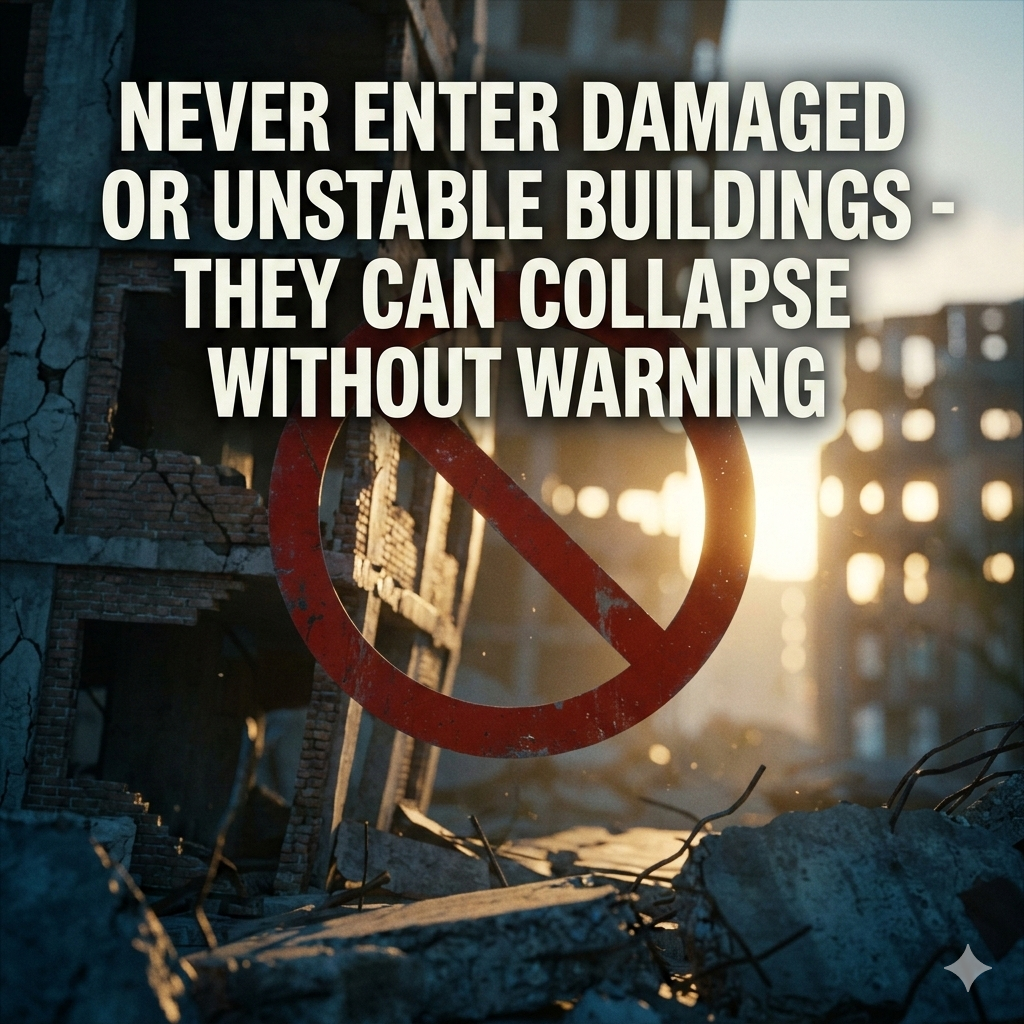
Never enter damaged or unstable buildings - they can collapse without warning
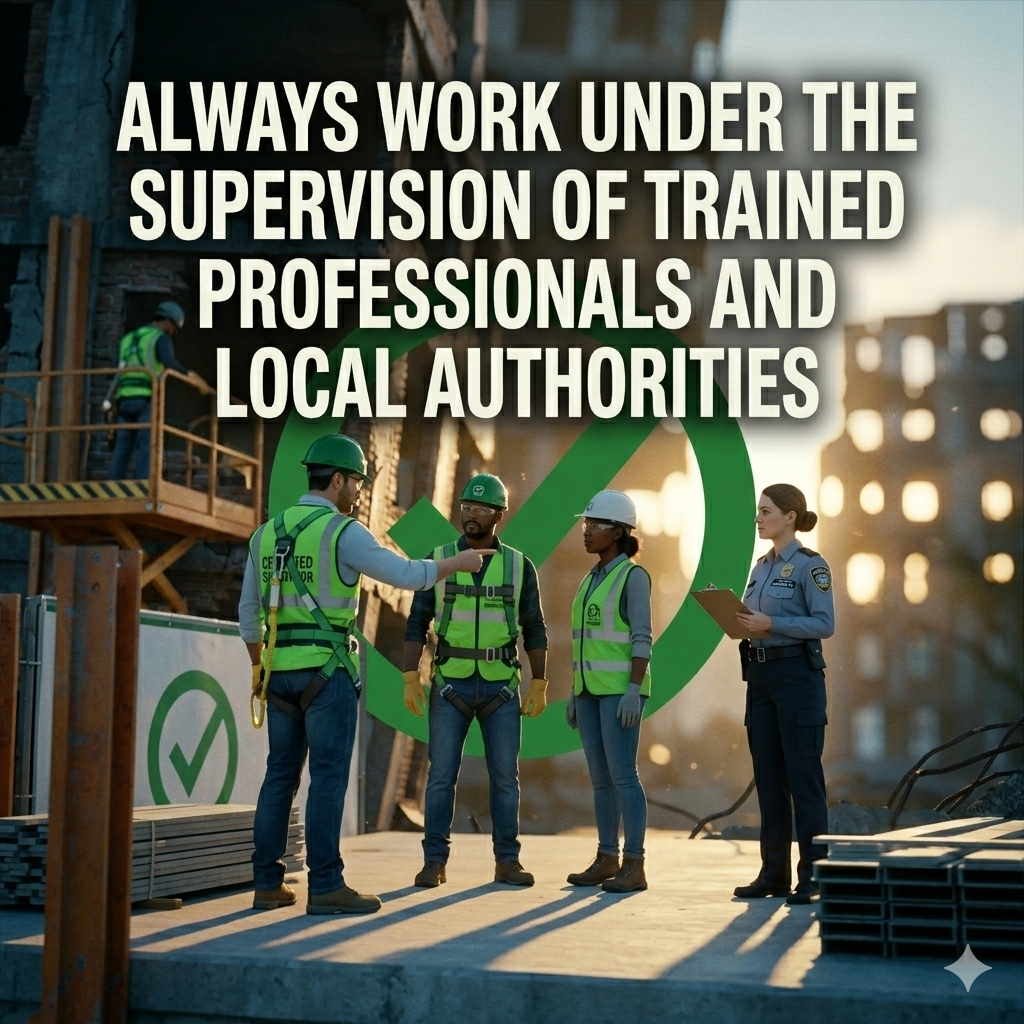
Always work under the supervision of trained professionals and local authorities
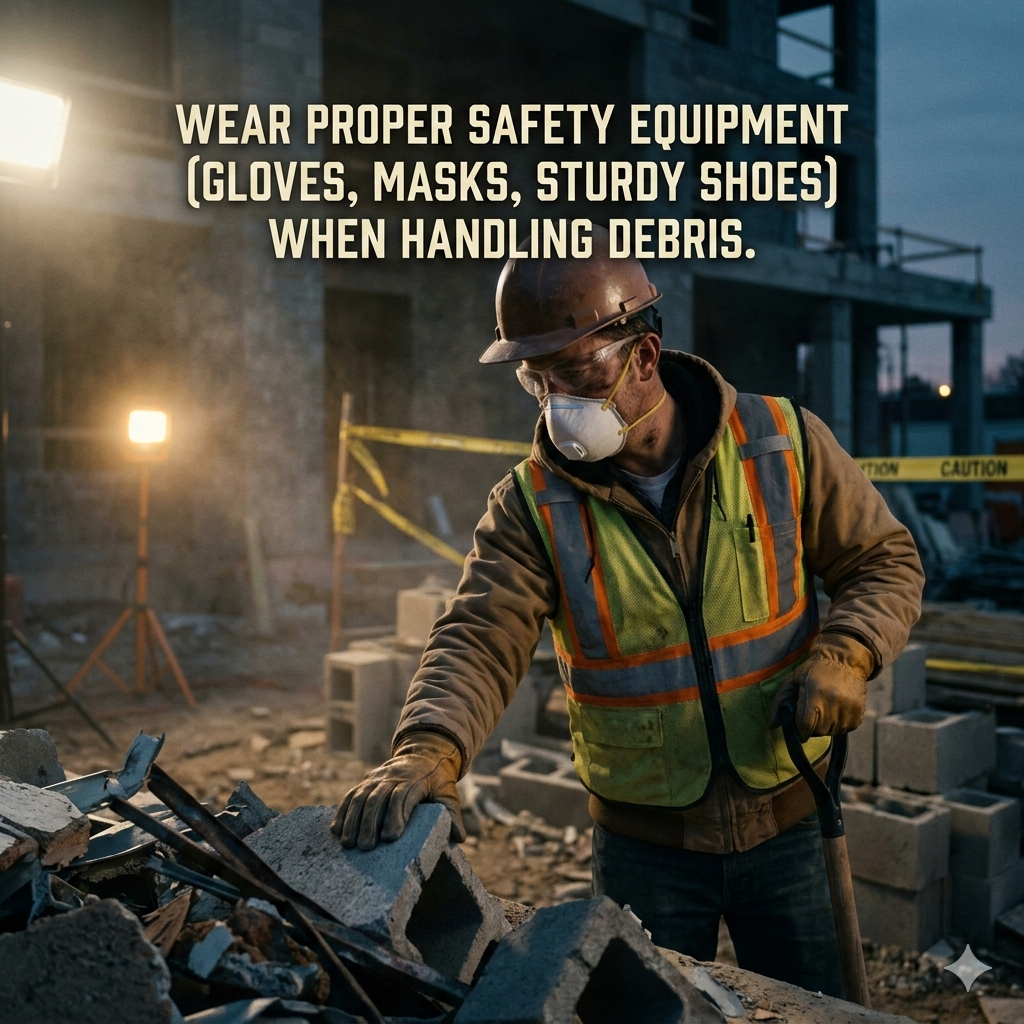
Wear proper safety equipment (gloves, masks, sturdy shoes) when handling debris
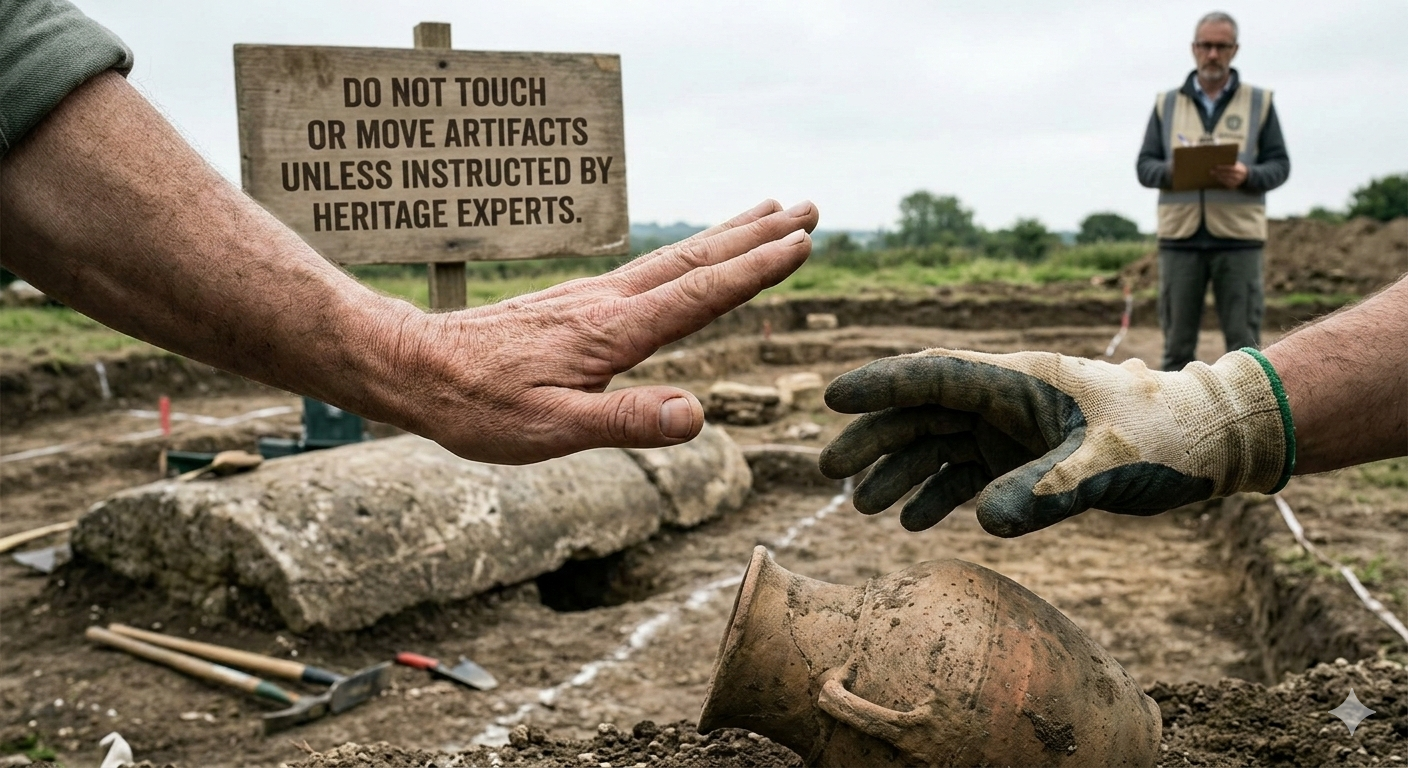
Do not touch or move artifacts unless instructed by heritage experts
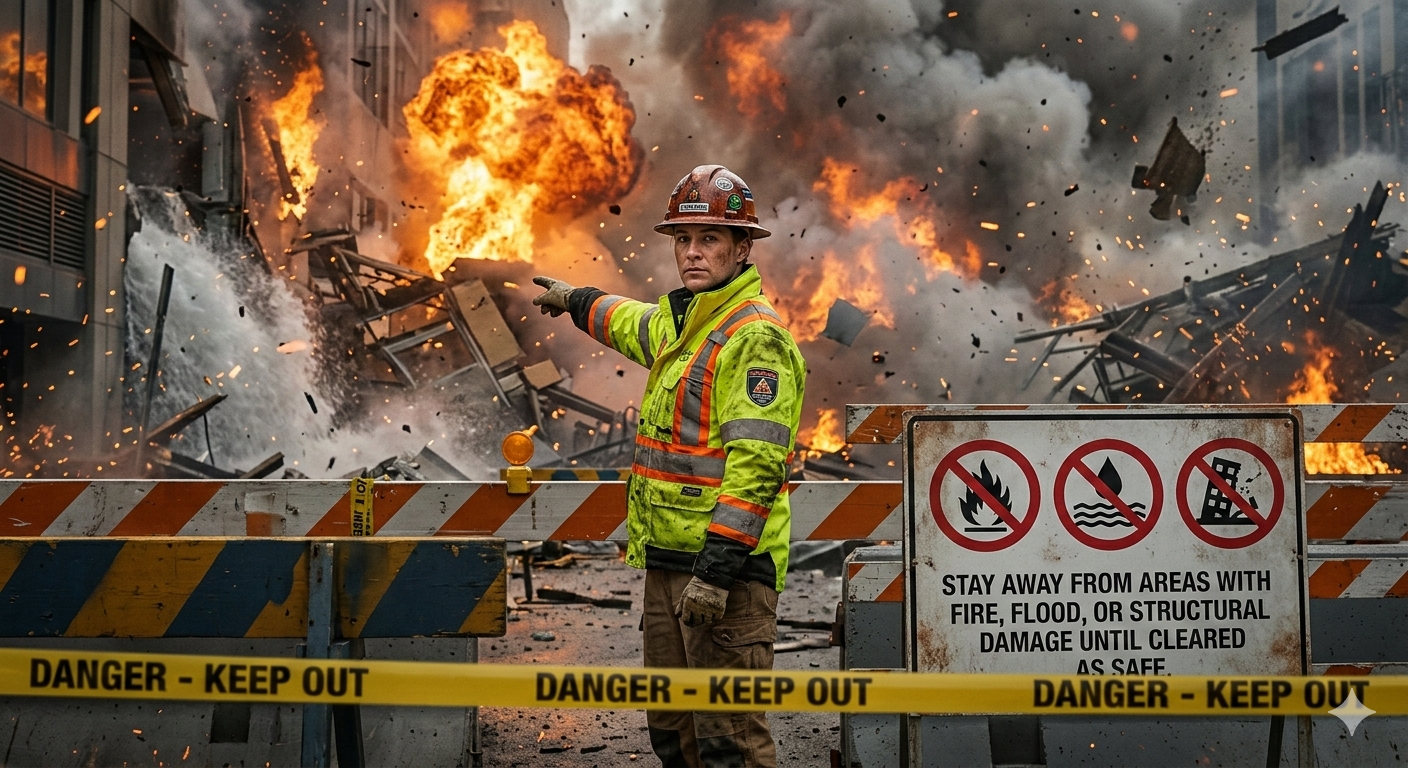
Stay away from areas with fire, flood, or structural damage until cleared as safe
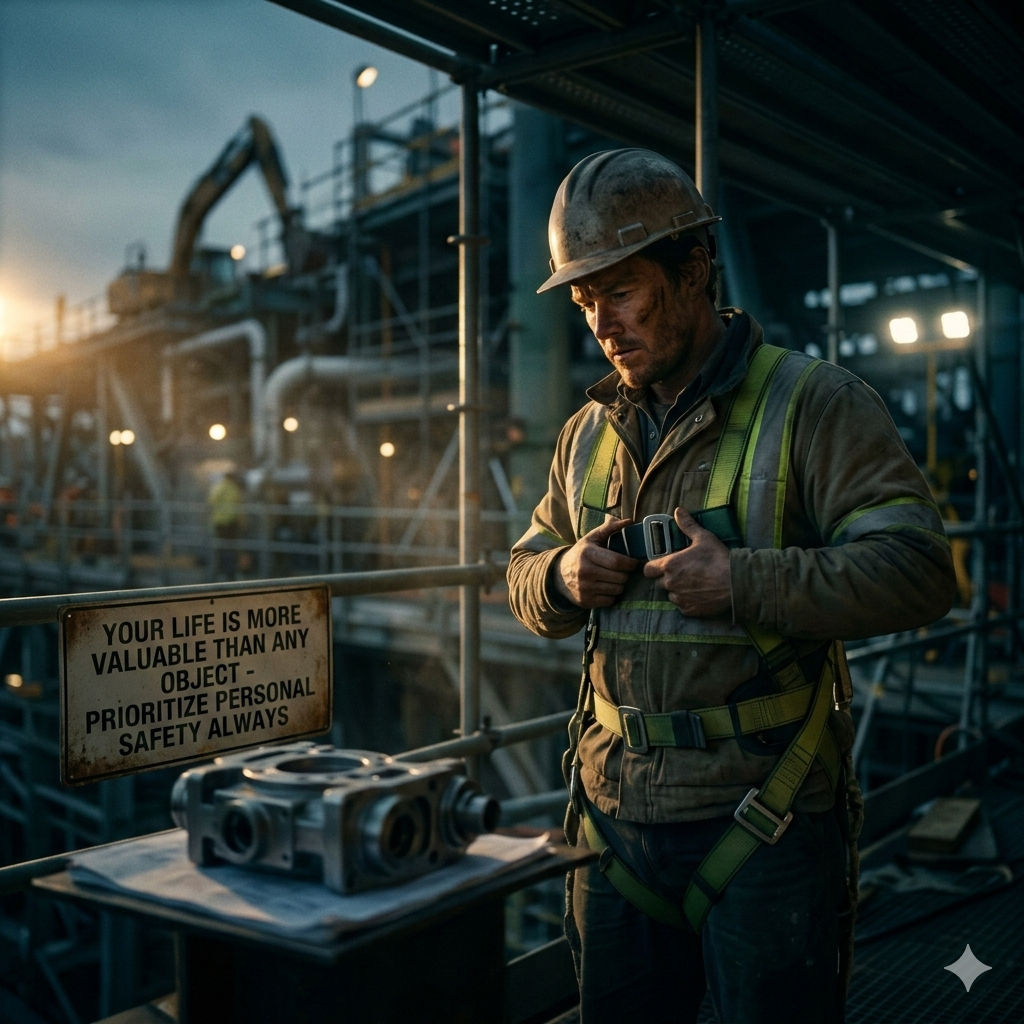
Your life is more valuable than any object - prioritize personal safety always
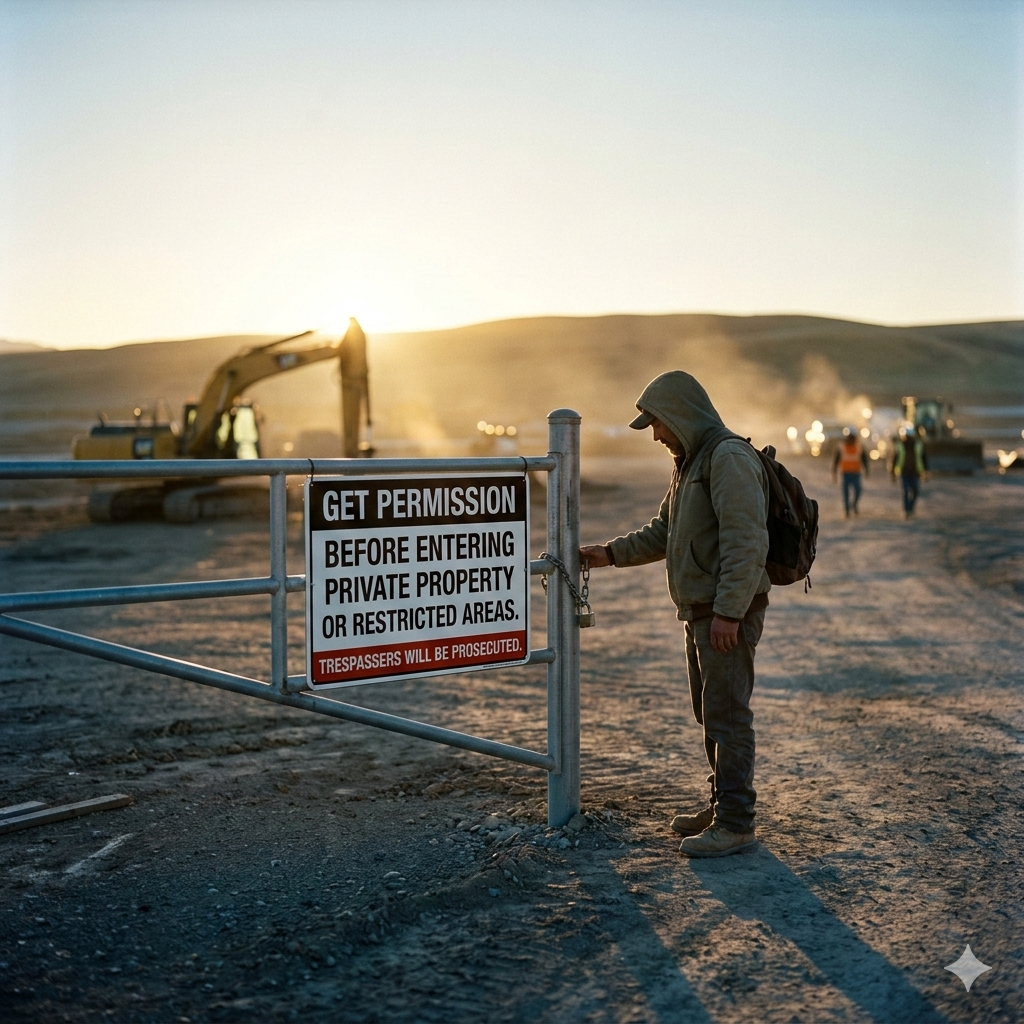
Get permission before entering private property or restricted areas
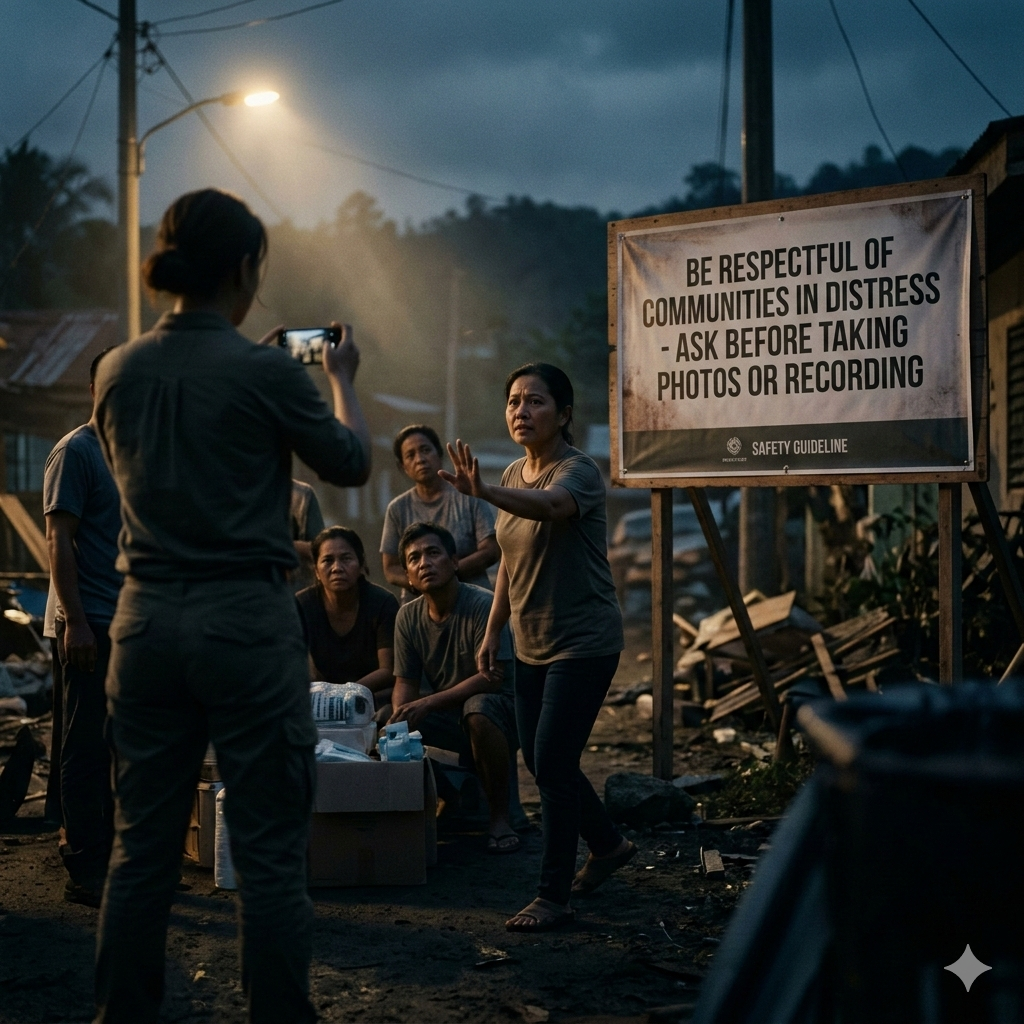
Be respectful of communities in distress - ask before taking photos or recording
Why Some Tasks Are for Experts
Some situations require trained professionals, because damaged buildings, hazardous environments, and fragile heritage objects can be dangerous or easily harmed without proper skills and equipment.