Code of Ethics
Legal & Organizations
Code of Ethics
Legal & OrganizationsA set of professional guidelines that outline the ethical responsibilities and appropriate conduct for individuals working in the heritage sector. For example, conservators, archaeologists, and museum professionals often follow a code of ethics that covers issues like honesty in research, respecting the cultural significance of artifacts, obtaining necessary permissions, avoiding conflicts of interest, and ensuring the well-being of communities connected to the heritage.
Source: UNESCO, Hague Convention, UNIDROIT, ICOM
Cultural Significance
Cultural Heritage
Cultural Significance
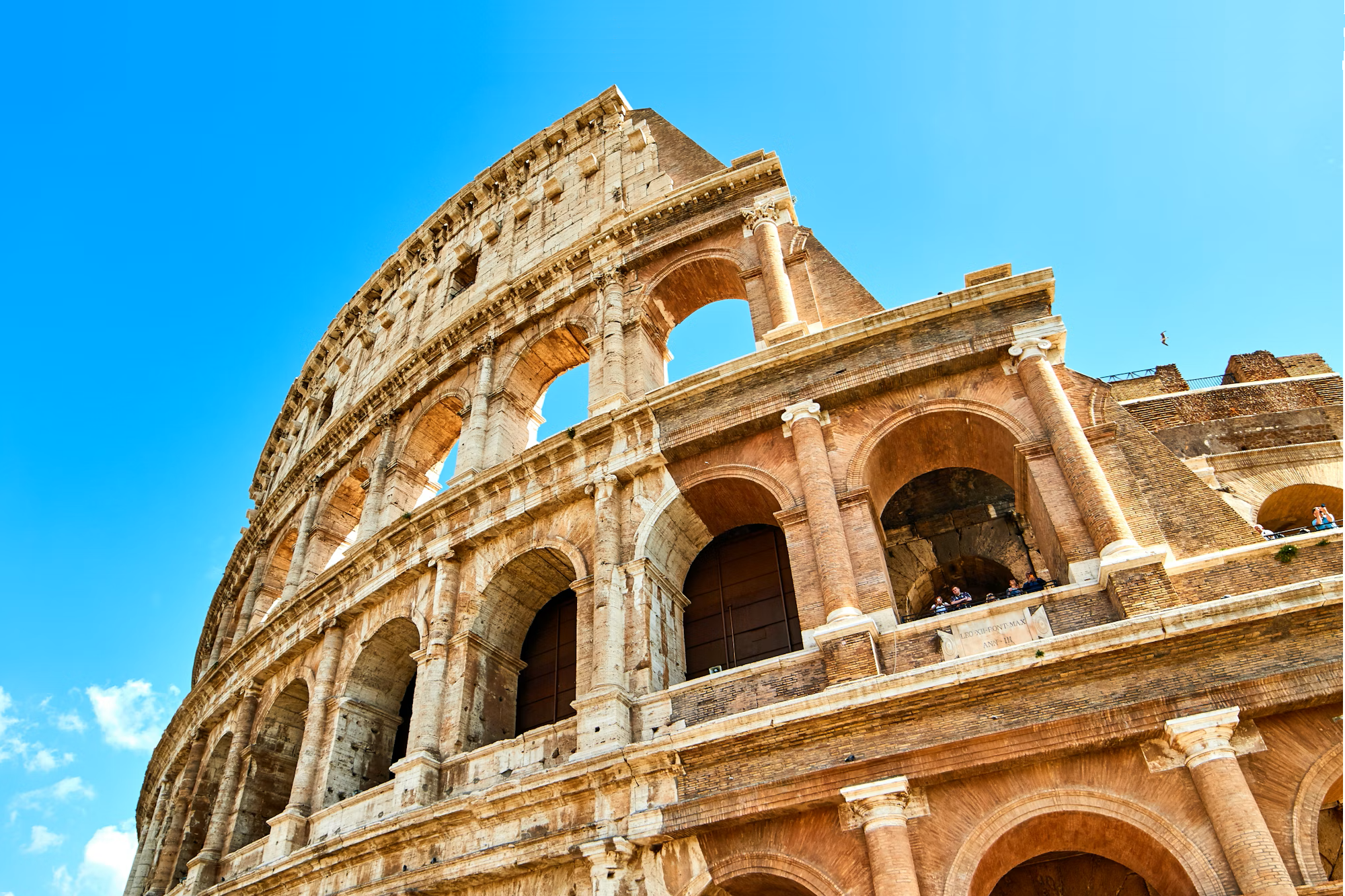
Cultural HeritageCultural Significance refers to cultural expressions, places, or objects valued for their historical, artistic, social, or spiritual meaning. It helps communities maintain identity and continuity while guiding protection and responsible use.
Source: UNESCO, ICOMOS
Natural Heritage
Ethics & Community
Natural Heritage
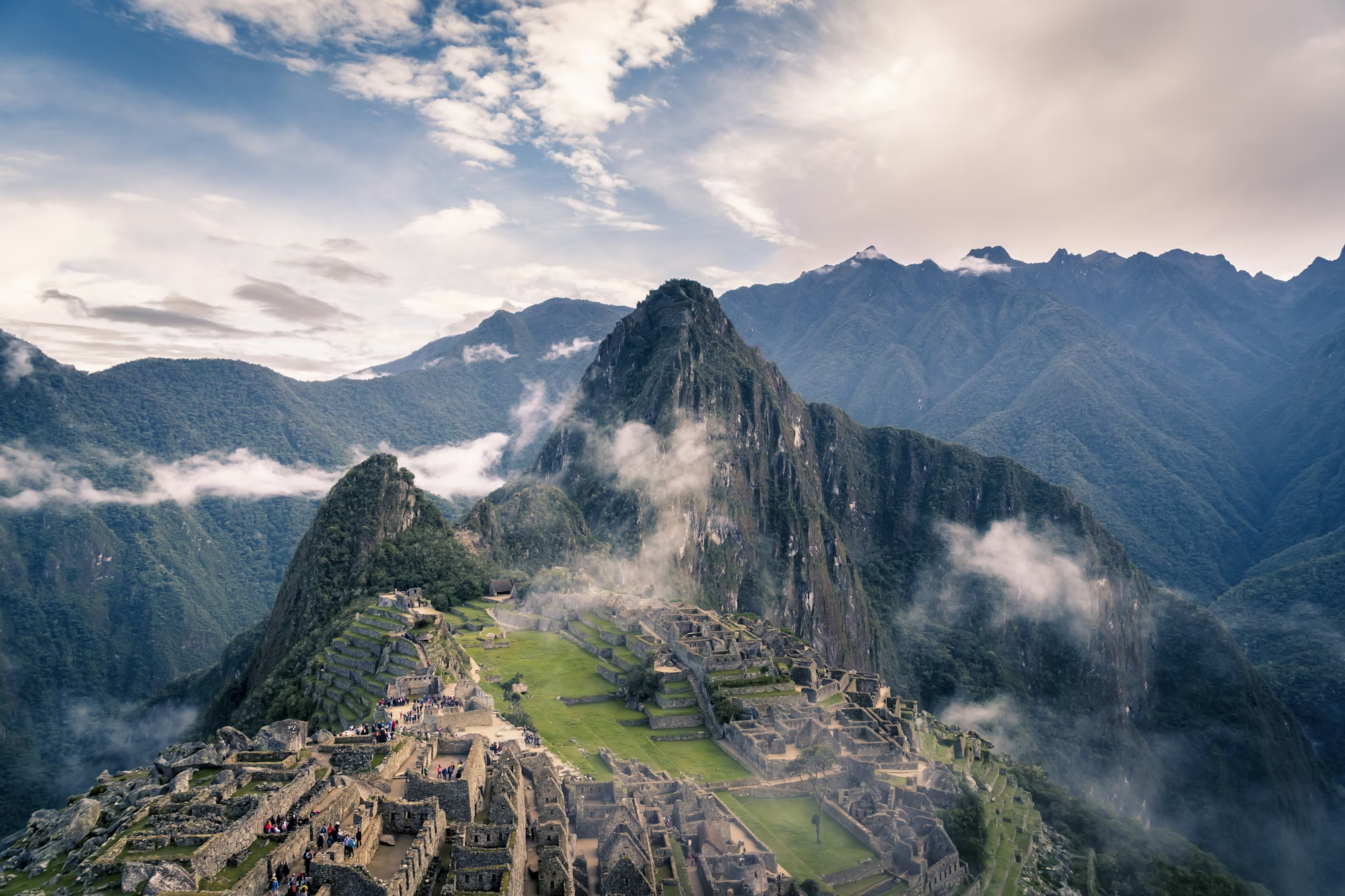
Ethics & CommunityNatural sites or values recognized for their cultural significance or outstanding beauty, often included in heritage discussions alongside cultural heritage. Examples are distinctive landscapes, geological formations, or biodiversity (flora and fauna) that a community values as part of its heritage and identity.
Source: ICCROM, UNESCO