Authenticity
Cultural Heritage
Authenticity
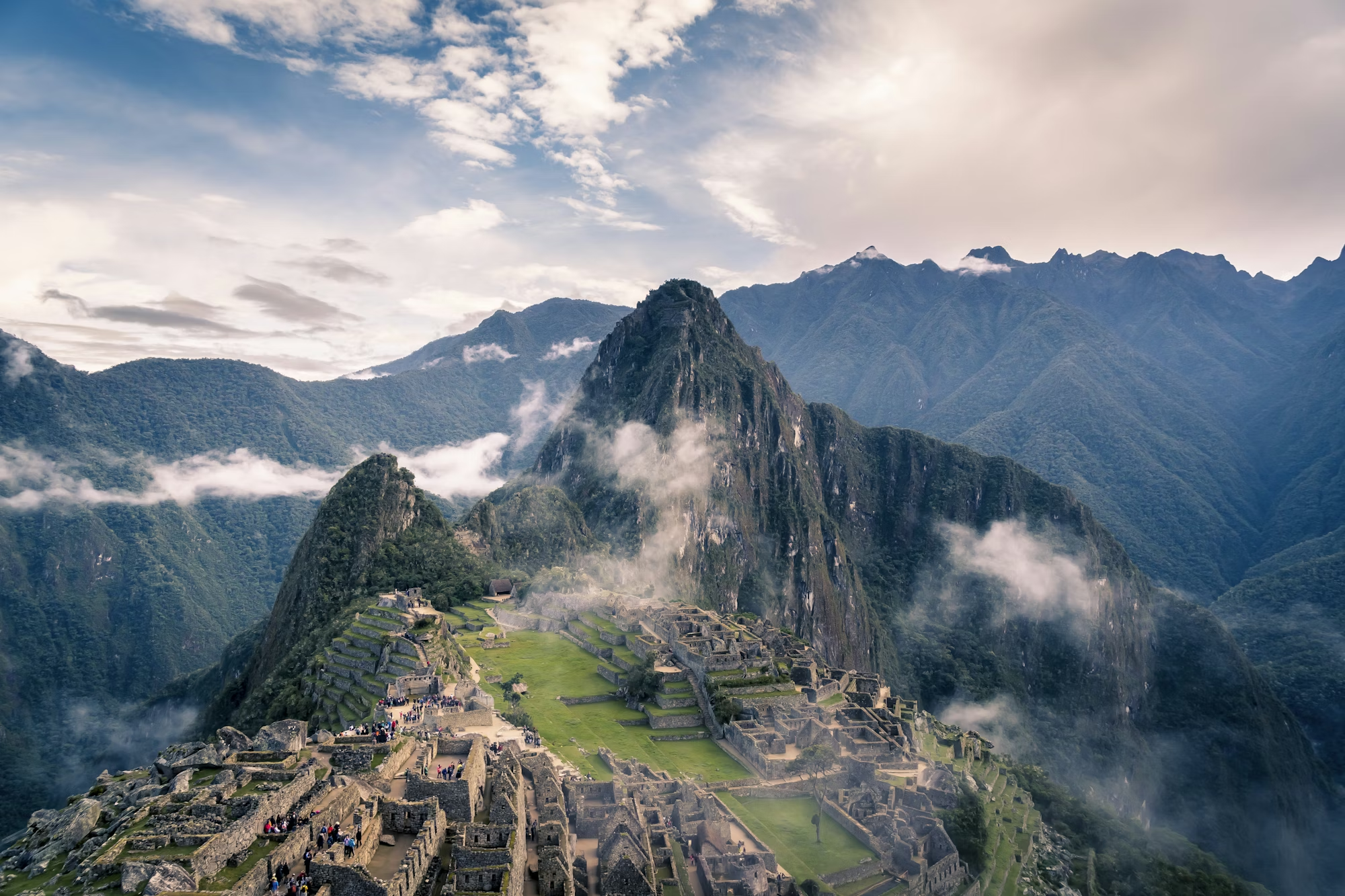
Cultural HeritageAuthenticity refers to cultural expressions, places, or objects valued for their historical, artistic, social, or spiritual meaning. It helps communities maintain identity and continuity while guiding protection and responsible use.
Source: UNESCO, ICOMOS
Justification for Inscription
Legal & Organizations
Justification for Inscription
Legal & OrganizationsThe section of a heritage nomination that explains why a property meets inscription criteria and demonstrates its significance. It summarizes evidence for value, integrity, and authenticity.
Source: UNESCO, Hague Convention, UNIDROIT, ICOM
Patina
Conservation & Restoration
Patina
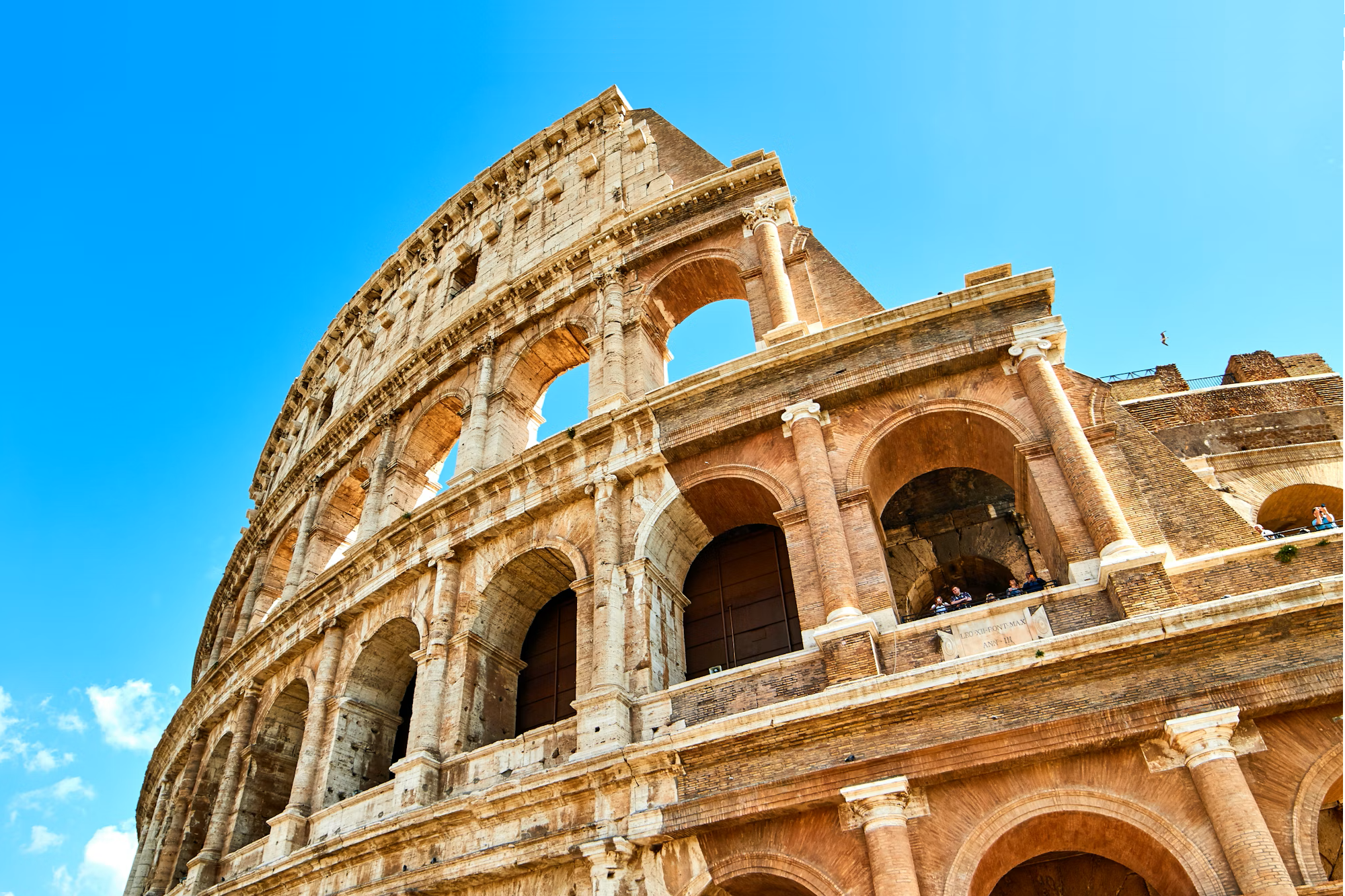
Conservation & RestorationThe thin layer or film that forms on the surface of an object over time due to age or chemical reactions. Patina can appear as a greenish layer on bronze statues, a mellow sheen on old wood, or the weathered texture on antique furniture. In conservation, patina is often valued as part of an object’s history – conservators aim to preserve it when possible, as it can indicate authenticity and age, whereas removing it might diminish the item’s historical character.
Source: ICCROM, ICOMOS
Reconstruction
Conservation & Restoration
Reconstruction
Conservation & RestorationThe process of rebuilding or repairing cultural heritage structures that have been destroyed or heavily damaged. Reconstruction can range from anastylosis (reassembling original pieces of a ruined structure) to constructing accurate replicas of historic buildings. It often raises important debates about authenticity and memory – whether to rebuild as it was, adapt to modern needs, or preserve ruins as memorials.
Source: ICCROM, ICOMOS