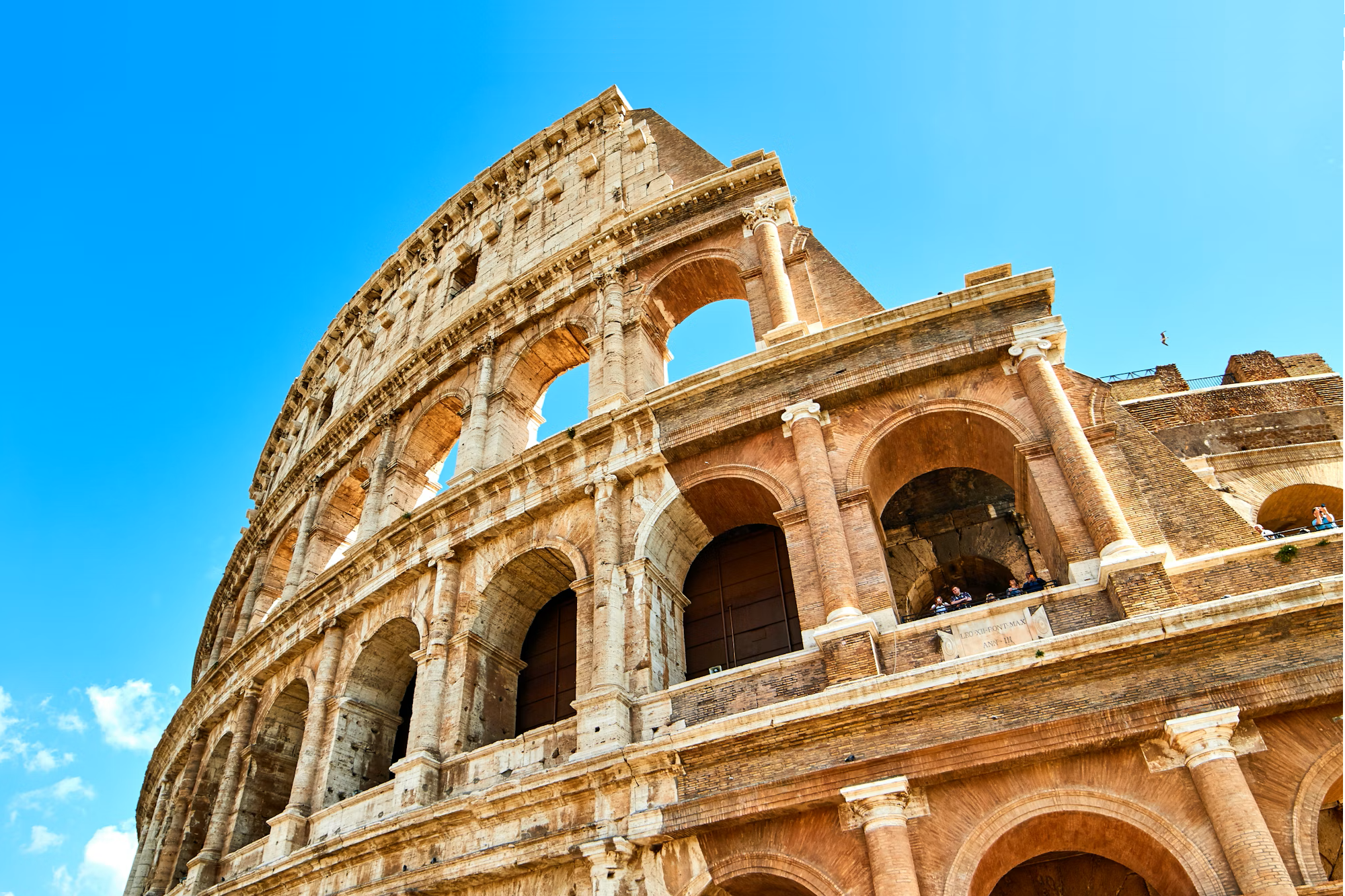
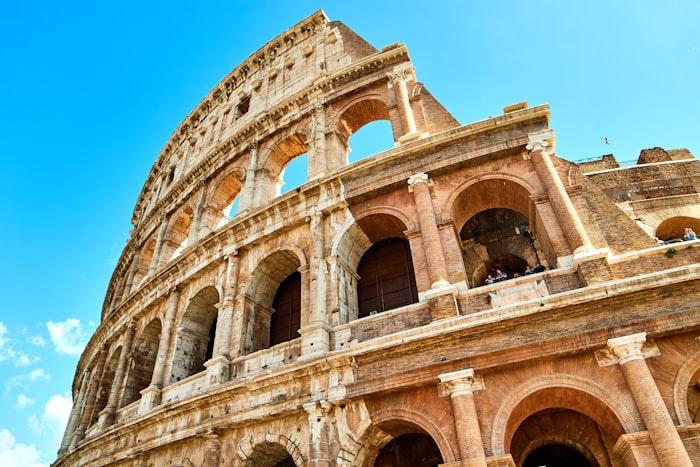
Archaeological Site
Cultural Heritage
Archaeological Site
Cultural HeritageArchaeological Site refers to cultural expressions, places, or objects valued for their historical, artistic, social, or spiritual meaning. It helps communities maintain identity and continuity while guiding protection and responsible use.
Source: UNESCO, ICOMOS
Illicit Trafficking
Legal & Organizations
Illicit Trafficking
Legal & OrganizationsThe illegal trade, smuggling, or sale of cultural objects, which often involves artifacts being stolen from museums, looted from archaeological sites, or illegally exported from their country of origin. Illicit trafficking deprives communities of their heritage and is often linked with organized crime. Combating it requires international cooperation, laws like the UNESCO 1970 Convention, law enforcement efforts, and due diligence by collectors and dealers to ensure items have legal provenance.
Source: UNESCO, Hague Convention, UNIDROIT, ICOM
Mitigation
Disaster Management
Mitigation
Disaster ManagementActions taken to reduce the severity of a disaster’s impact on cultural heritage. Mitigation measures can be structural (for example, reinforcing a historic building to better withstand earthquakes) or non-structural (like creating firebreaks around an archaeological site or developing emergency plans). Effective mitigation lowers risk by addressing weaknesses before a hazard strikes.
Source: UNDRR, UNESCO